Design trends 2021 for gastronomes
With digitalisation and new digital trends changing communication and marketing, web and print design are also evolving. People are using their smartphones and other mobile devices more than ever – for research, online shopping, communication and much more. Having a well-functioning and appealing website and print materials is essential for every business. But how can you score points in 2021? Epu Shaha, design expert and managing director of the agency Epu Design GmbH, reveals which design trends will help you reach more new customers this year.
Users mainly use their smartphones on the go and use them to do all sorts of things, such as ordering food, booking an appointment, reserving a seat or leaving a review. Nowadays, it is common practice to have a responsive website that adapts to all devices, is user-friendly and features appealing images. Keeping up with the times and ensuring that your visual appearance is always up to date and consistent across all media is extremely important for brand recognition and awareness.
But how can you keep up in this fast-paced world? What are the new and relevant trends in design for 2021? And to what extent are these also important in the catering industry and for restaurants? Here are 5 design trends you shouldn’t miss out on to expand your brand awareness and customer base and thus increase your sales.
Online-Shop:
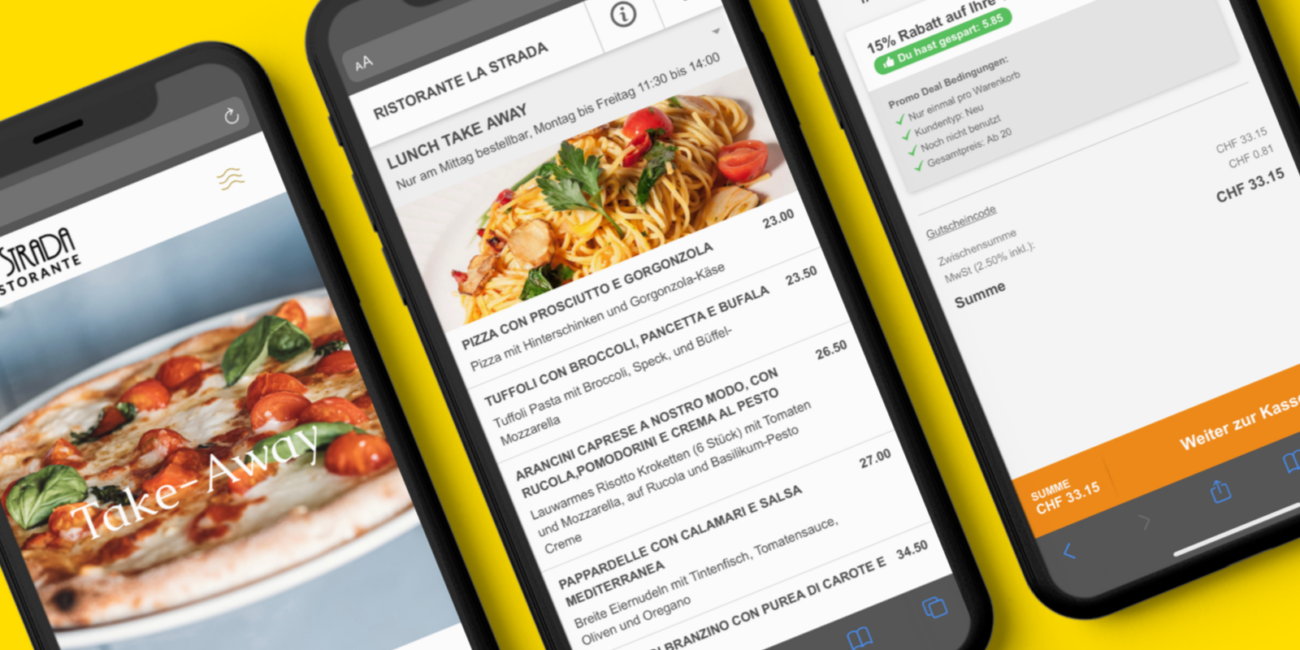
Users start their search on search engines and end up on websites and social networks. They look at pictures and the menu and then want to order as quickly and easily as possible. With an integrated web shop, potential customers can order their food directly from you, independently of third-party providers. With an integrated payment option, customers can also order takeaway or food delivery. This not only generates additional revenue for existing dishes, but also offers the opportunity to sell homemade products.
Dark Mode:
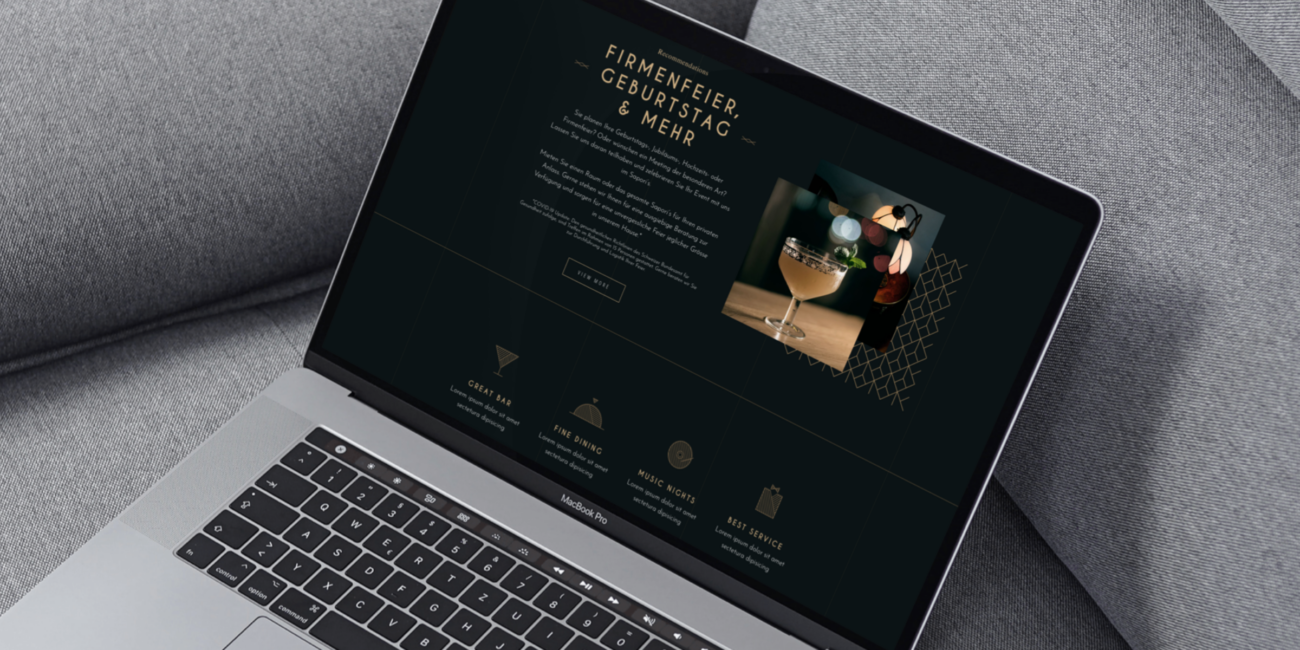
Apple led the way. With the iOS 13 update, Apple added a dark theme for its users, which received particularly positive feedback. The result: Instagram, WhatsApp and others followed suit, and it developed into a new ‘trend’. Dark mode is particularly easy on the eyes, makes design elements more visible, increases the contrast ratio, looks more elegant and can be combined wonderfully with high-contrast photos of dishes. However, such a dark theme can be integrated well not only in apps, but also on websites, as can be seen with major brands such as Apple, Mercedes-Benz, Hublot and many others.
Emojis:
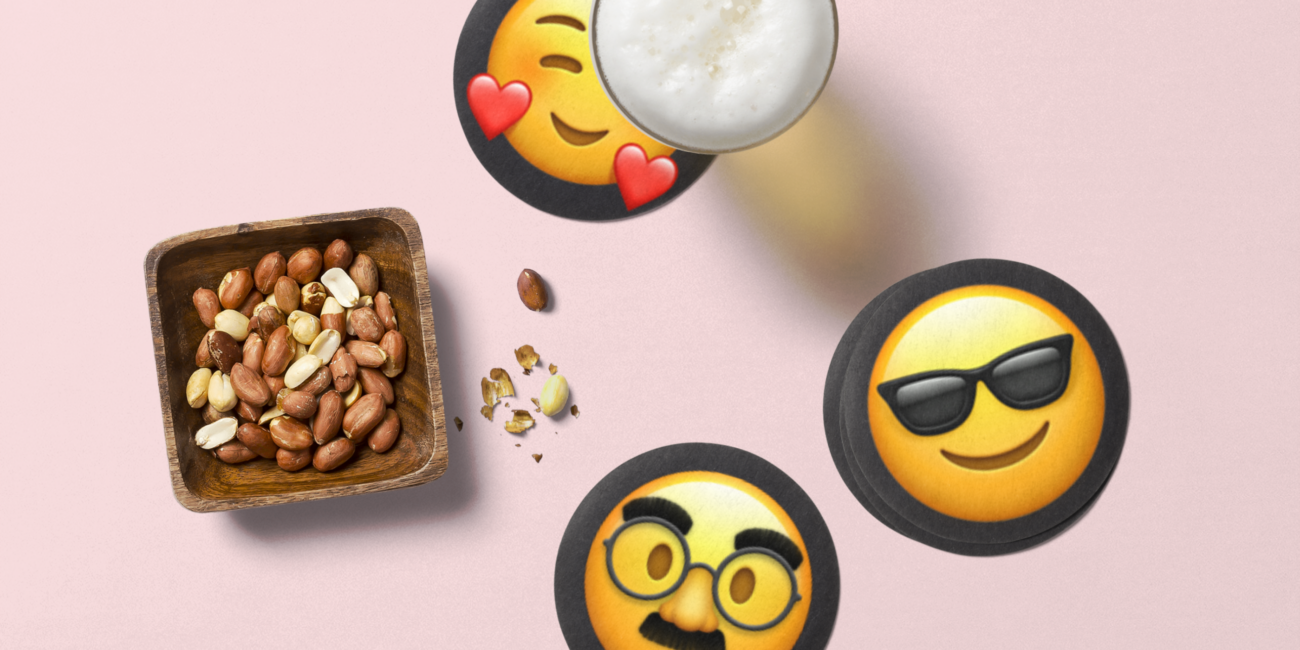
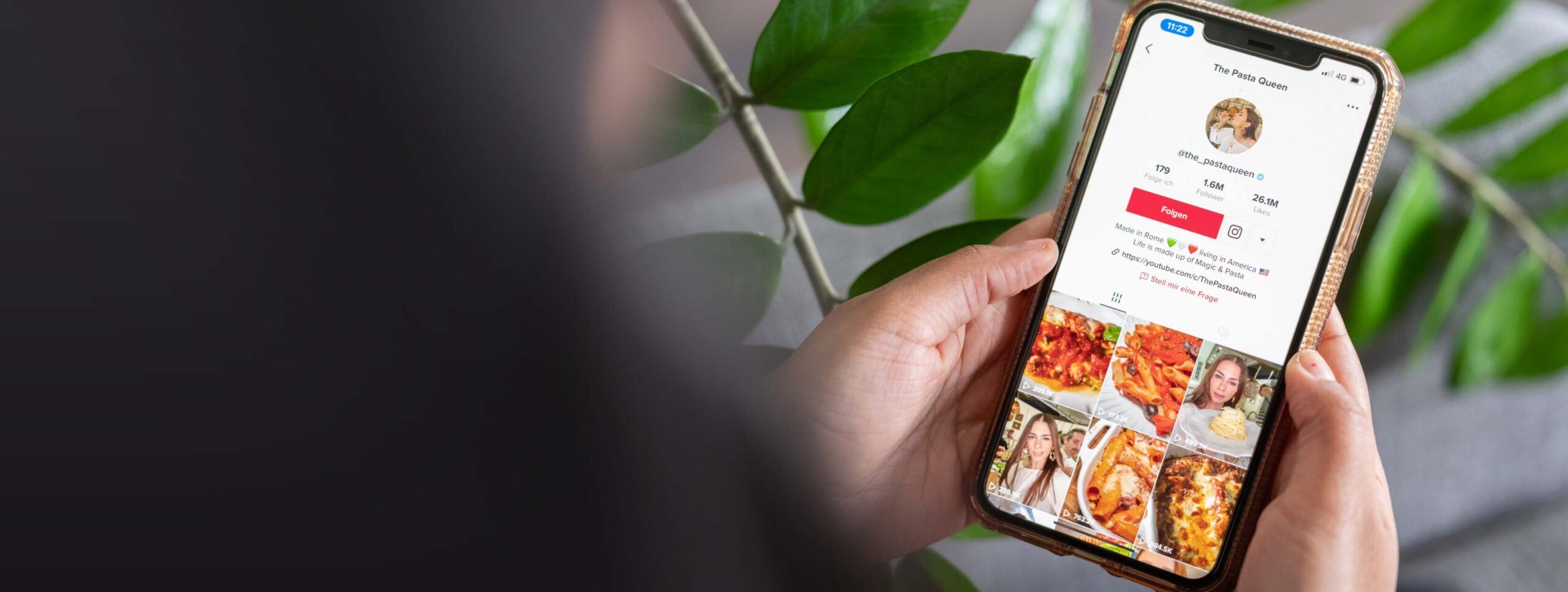
What was initially only used by younger users and considered unprofessional is now the ubiquitous form of pictograms that enable restaurants to add emotion and visual commentary to statements, websites or print media. The use of emojis is also part of everyday professional life in general communication. They can be used to lighten the tone of a restaurant’s communication and make non-verbal communication easier to convey. This promotes interaction with potential customers and visual understanding on the part of consumers, especially on social networks.
Sustainability:
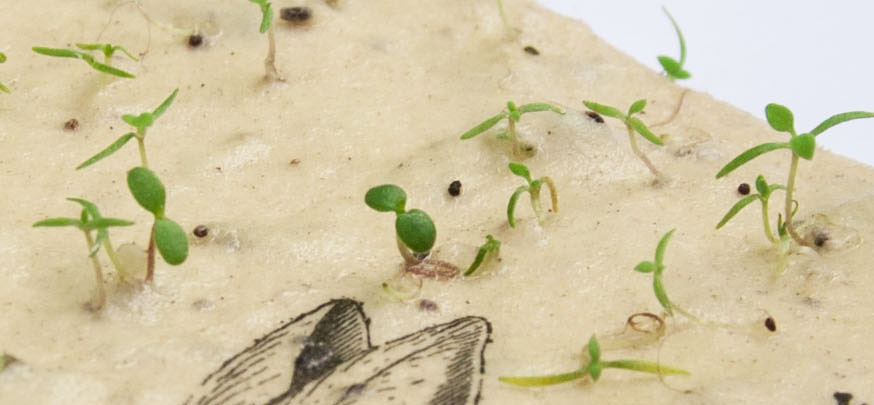
In 2020, when many of us were able to enjoy more time outdoors and a plane-free sky, a sustainable world felt more achievable than ever. We all experienced what a greener world could look like and the impact that plastic, oil and other materials have on our environment. For businesses, this is particularly evident in print products such as menus, vouchers, business cards, etc. But how can we avoid these unacceptable consequences and create sustainable alternatives? One option is to switch to digital menus or issue vouchers exclusively via newsletters. However, a digital experience does not always convey the same feeling. Your guests will appreciate it more if you use alternatives such as menus made from recyclable paper or more creative alternatives such as vouchers made from seed paper. Seed paper offers the possibility of placing the paper in a pot with soil after using the voucher, watering it and planting flowers.
Engaging questionnaires:
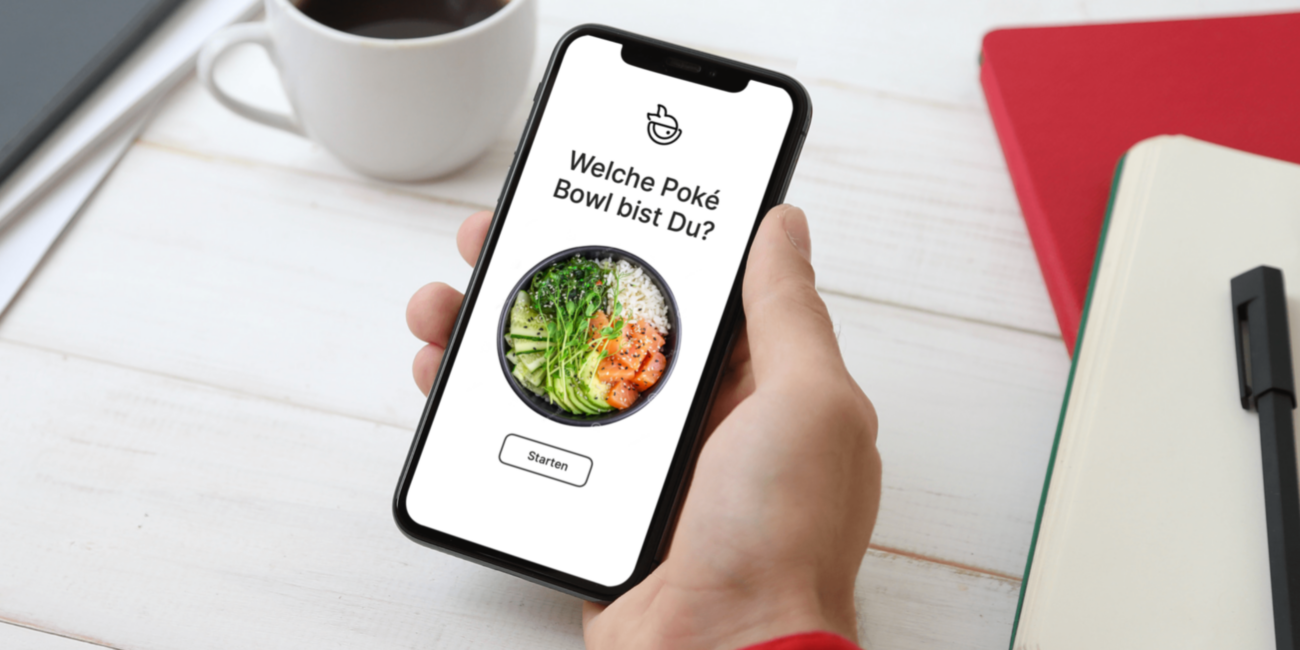
More and more brands are relying on interactive experiences using digital questionnaires. Instead of letting guests read your menu and make their own decisions about what they want to eat, you can use a fun quiz to find out their likes and dislikes and suggest a dish in advance. These introductory quizzes create a relationship with the customer and make the restaurant more appealing. Potential guests feel like they are already part of the restaurant and its great service before they have even visited your restaurant.
These new design trends are particularly interesting for restaurants that are opening this year or have been thinking about redesigning their website for some time.
However, the rule of thumb for all trends is: Can this trend be applied to my restaurant and does it represent my philosophy, my cuisine and my customers?
Do you need help or ideas? Ask Epu Design Ltd. which new trends are best suited to your restaurant and be among the first to apply them.
EPU DESIGN GMBH
+41 79 849 45 73
info@epudesign.com |
epudesign.com